Networking & Connectivity
Building a Reliable Smart Home Network
A strong network is the foundation of every connected home. Learn what to consider when planning Wi-Fi coverage, wired connections, and network hardware for automation.
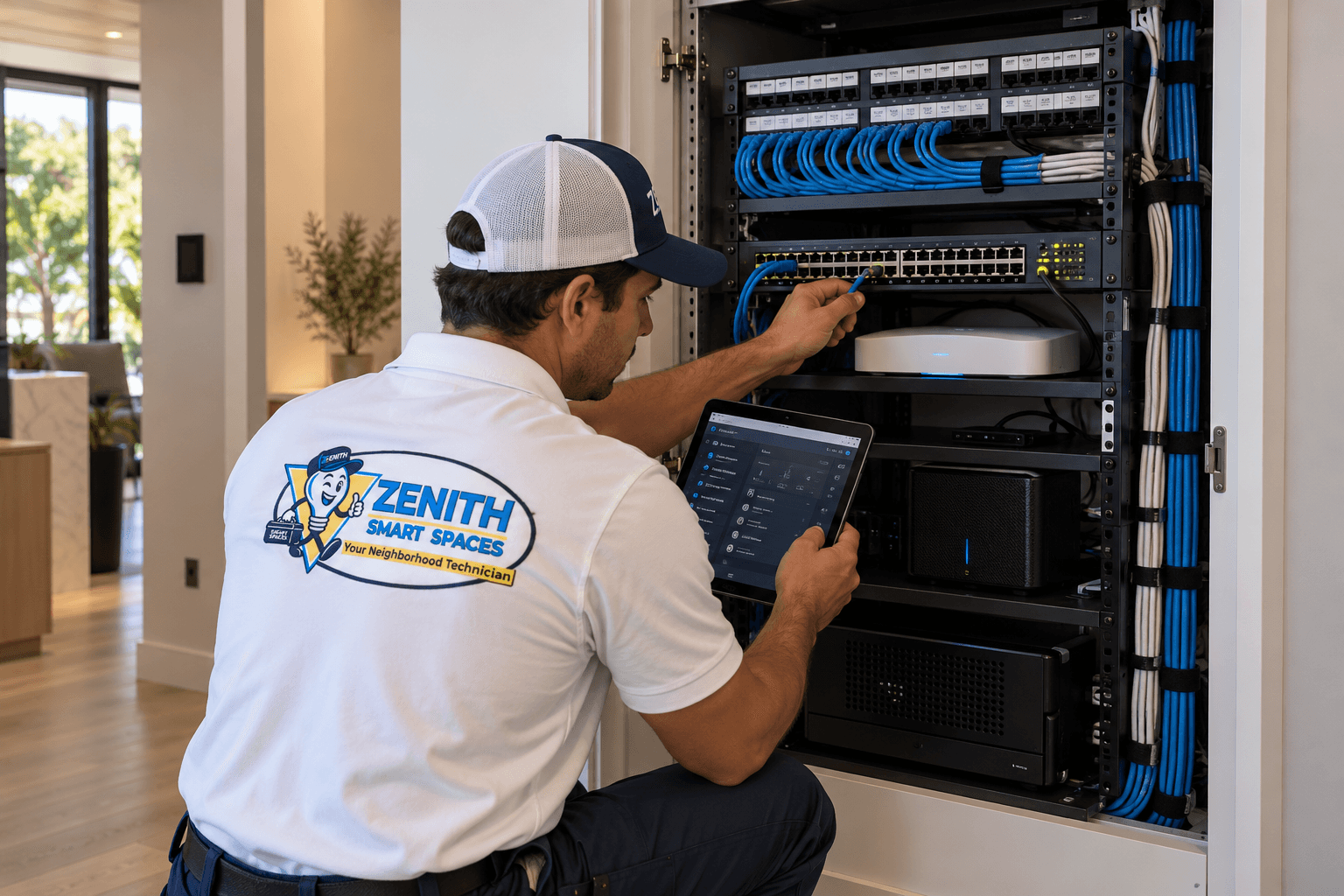
Every connected system in your home depends on the network. Cameras, lighting controls, motorized shades, thermostats, door locks, entertainment systems, and automation processors all need reliable communication to function as intended.
A network that works well for browsing the web and streaming video is not automatically the right network for a home filled with connected devices. Smart home systems place different demands on the network, including consistent low-latency communication, adequate bandwidth, and coverage that reaches every device location.
Wireless coverage is one of the most common factors that affects smart home reliability. Wi-Fi signals can be blocked or degraded by building materials, distance from the access point, interference from other devices, and the physical layout of the space. A site survey or professional assessment can identify potential weak areas before devices are installed.
Wired connections remain the gold standard for reliability. Devices that can be hardwired should be, especially cameras, access points, control processors, and equipment that carries high-bandwidth data. Structured cabling installed during construction or renovation provides the cleanest path to a reliable network.
Equipment location matters. Network hardware should be placed in a ventilated, accessible location that allows for proper cooling and future maintenance. Avoid closets filled with clutter or spaces where equipment may overheat.
Plan for growth. The number of connected devices in a home tends to increase over time. Choosing network equipment that can scale, and installing cabling that supports future needs, can prevent the need for costly upgrades later.
Planning a Connected Space?
Tell Zenith what you want your technology to do, and we’ll help you determine how the systems should work together.
Related Advice
Planning & Integration
Plan Your Smart Systems as One
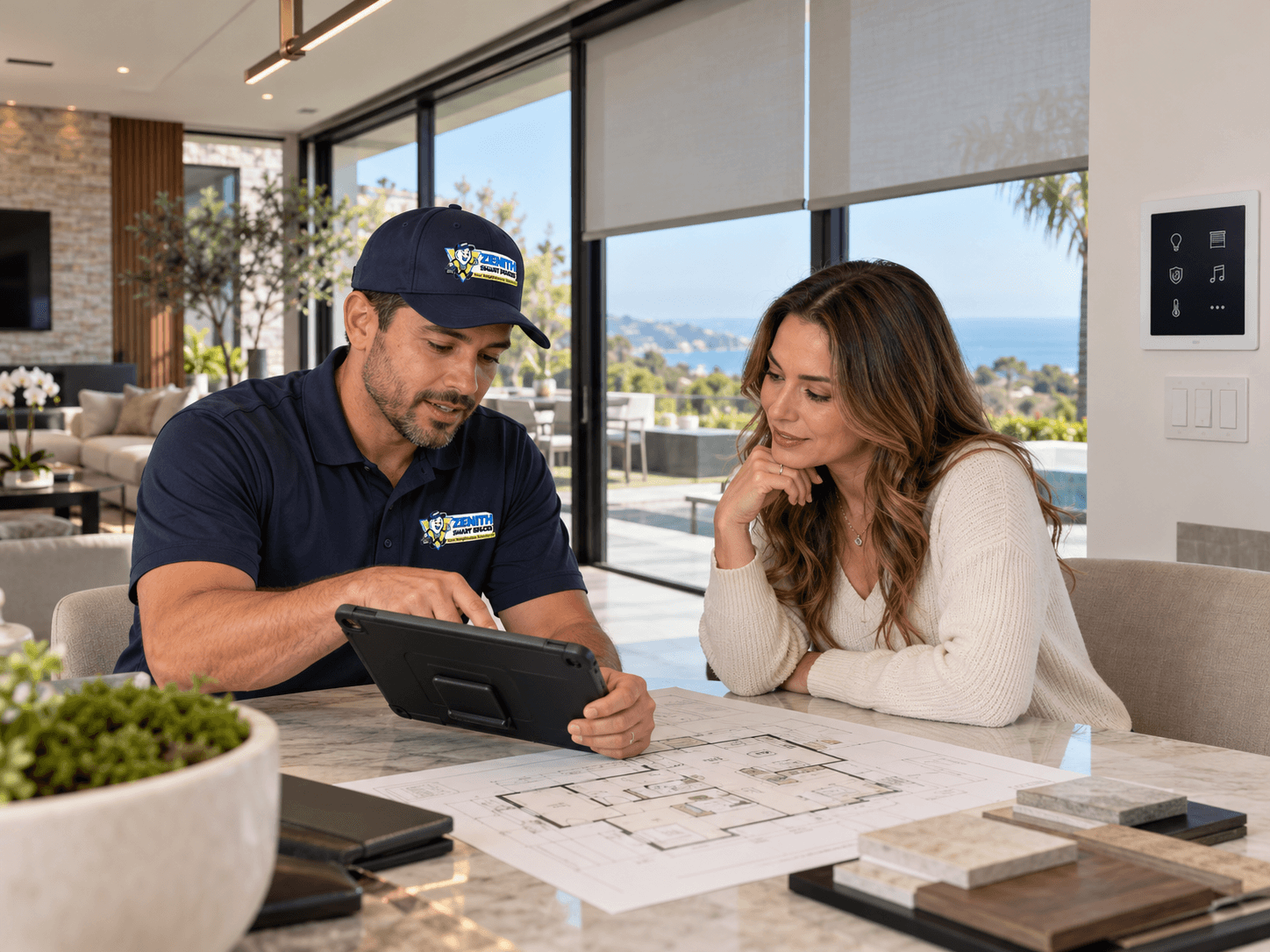
Connected home technology works best when the systems are planned together. Lighting, shades, security, networking, climate, entertainment, and controls should be considered as parts of the same connected environment.
Planning & Integration
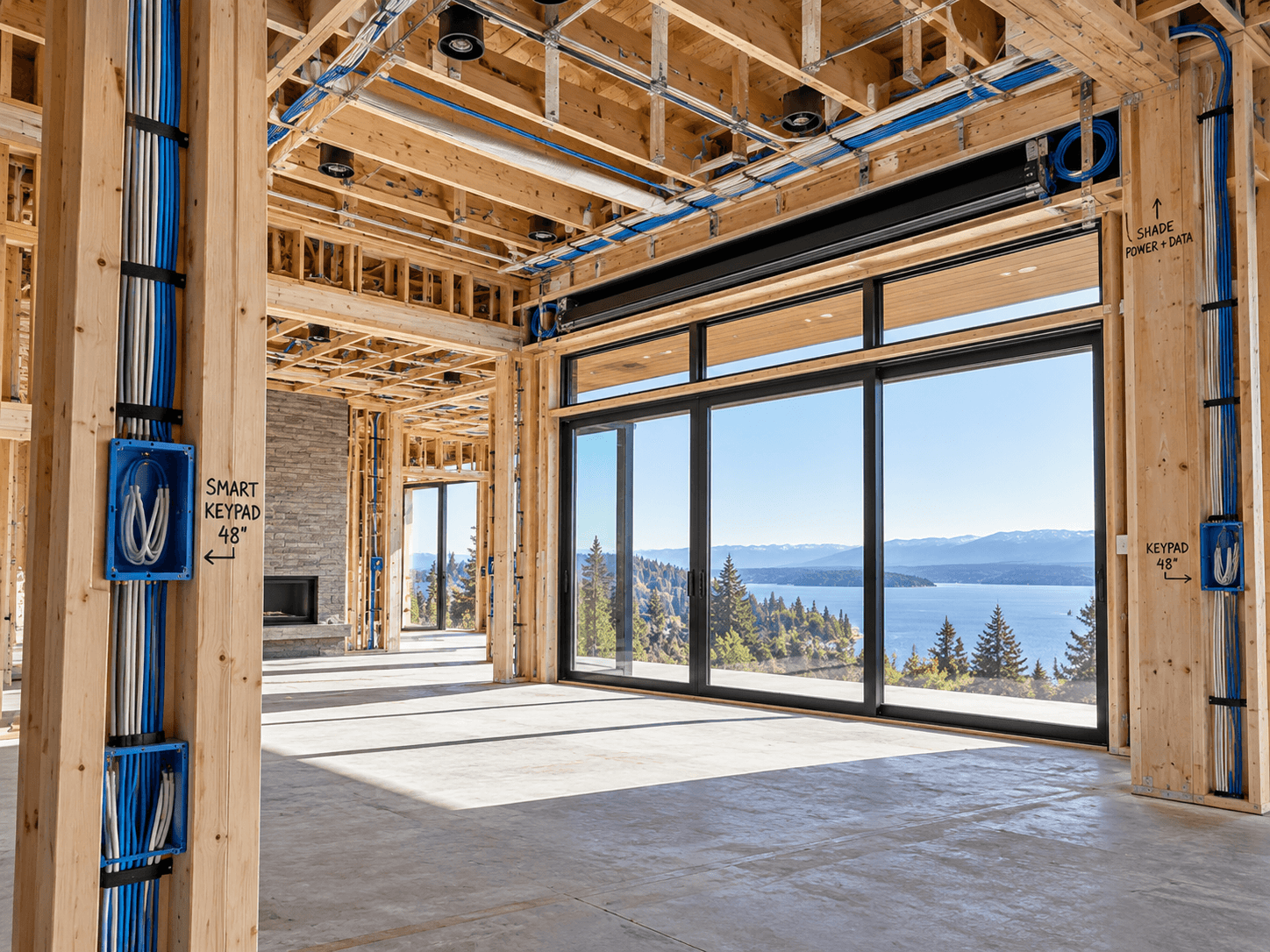
Smart Home Planning During Construction or Remodeling
Construction and remodeling create opportunities to plan smart-home infrastructure before the finished surfaces conceal it. Learn what to consider early.

Motorized Shades & Blinds
Control Heat and Glare with Motorized Shades
Motorized shades do more than add convenience — they help manage sunlight, reduce glare, protect interiors, and improve energy efficiency throughout the day.