Motorized Shades & Blinds
Motorized Shades: Wired vs. Battery-Powered
Wired and battery-powered motorized shades offer different installation and maintenance advantages. Learn which factors matter when planning your windows.
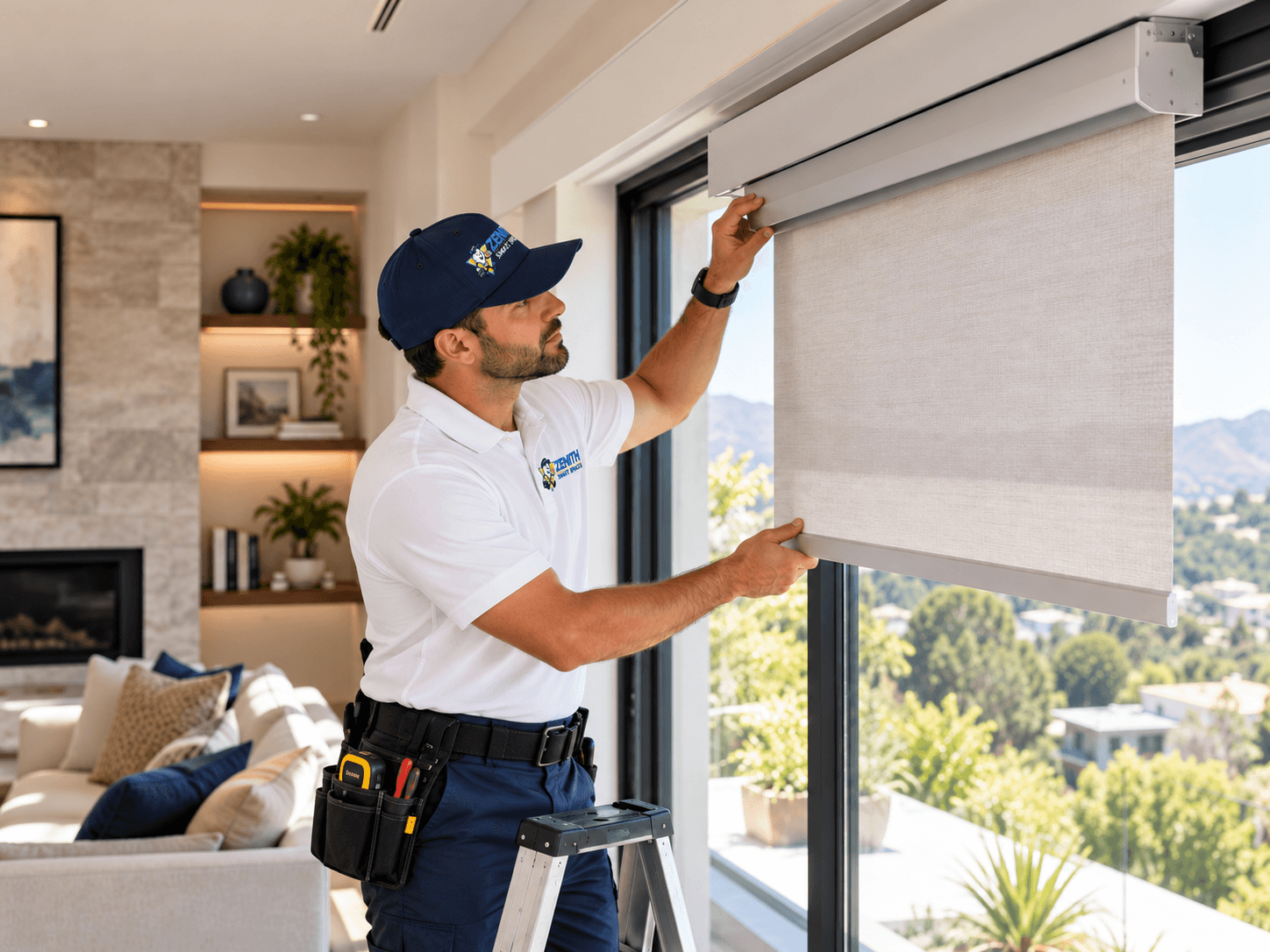
Motorized shades can make everyday window control more convenient.
They can adjust privacy, manage sunlight, reduce glare, and participate in schedules or compatible automation.
One of the earliest decisions in planning a motorized shade installation is how the motors will receive power.
Two common approaches are hardwired power and battery-powered operation.
Neither option is automatically better for every property.
The appropriate choice depends on window locations, construction conditions, maintenance preferences, control requirements, and the specific shade system being installed.
Understand the Two Power Approaches
Hardwired motorized shades receive power through a suitable installed electrical connection or compatible low-voltage power arrangement, depending on the system.
Battery-powered shades use a battery supply designed for the particular motor and treatment.
Both types can provide motorized operation.
Depending on the manufacturer and equipment, either approach may support remote controls, wall controls, schedules, or integration with compatible automation platforms.
The power source does not, by itself, determine the complete control capability.
Those capabilities should be confirmed for the selected product.
When Hardwired Shades Make Sense
Hardwired shades are often worth considering during new construction and remodeling.
When walls, ceilings, and window areas are accessible, appropriate wiring can be planned before finishes are completed.
This can reduce the need to access batteries later.
Hardwired systems may also be useful for properties containing many motorized window treatments or for locations where battery maintenance would be inconvenient.
The installation requirements depend on the selected motor and power system.
Some products use low-voltage supplies, while others have different electrical requirements.
Power routing, motor locations, service access, and manufacturer instructions must be considered.
Any required electrical work should be performed by personnel appropriately qualified for that work.
Advantages of Battery-Powered Shades
Battery-powered motorized shades may be particularly useful in existing finished homes.
They can reduce the need to run new power wiring to certain window locations.
That can make them attractive for selective upgrades or properties where opening finished surfaces would be undesirable.
Some systems use replaceable batteries.
Others incorporate rechargeable battery arrangements.
Specific maintenance procedures and power accessories depend on the product.
Battery-powered operation may offer installation flexibility, but it does not eliminate the need to plan mounting, controls, communication, and maintenance access.
Consider Battery Maintenance
Battery maintenance is one of the most important practical differences.
The interval between replacement or charging depends on the motor, battery capacity, shade size, usage patterns, operating conditions, and manufacturer specifications.
A small window treatment used occasionally may place different demands on its battery from a larger shade operating frequently.
Customers should not assume a universal battery lifespan.
Before installation, consider how batteries will be accessed.
A shade mounted high above a stairwell or behind difficult architectural details may be inconvenient to service.
The convenience of wireless power should be evaluated alongside the realities of long-term maintenance.
Window Size and Shade Weight Matter
Not every motorized shade system is suitable for every window.
Large or heavy window treatments may have different motor torque, power, and mounting requirements.
Fabric selection, roller dimensions, hardware, and the number of operating cycles can all influence equipment selection.
The motor must be appropriate for the treatment.
Window measurements and mounting conditions should be reviewed before ordering equipment.
This applies to hardwired and battery-powered systems alike.
The correct power choice should follow the requirements of the actual shade rather than being decided entirely by convenience.
Think About New Construction Versus Existing Homes
New construction provides more flexibility for planning wiring and power.
The construction team can coordinate the selected shade system with window framing, recessed pockets, power routes, and other finishes.
In an existing home, access to concealed pathways may be limited.
Battery-powered treatments may offer a practical alternative for certain windows.
However, existing homes can sometimes support hardwired shades when appropriate wiring routes and installation conditions are available.
A property may even benefit from different power approaches in different areas.
The decision should reflect the project rather than an absolute rule.
Controls and Automation Compatibility
Motorized shades may be operated using dedicated remotes, wall controls, mobile applications, schedules, or compatible automation systems.
The available methods depend on the selected motor, communication system, and control platform.
A shade may support local operation without supporting integration with an unrelated smart-home system.
Similarly, an application may offer basic movement commands without exposing every supported configuration feature to third-party automation.
Before ordering equipment, determine how the customer wants to operate the shades.
Should multiple windows move together?
Should shades follow a schedule?
Are wall keypads preferred?
Will the treatments participate in supported lighting or entertainment scenes?
The proposed products should be checked against those requirements.
Consider Noise and Everyday Operation
Shade motor characteristics can influence the customer experience.
Different products may have different operating speeds and acoustic characteristics.
The size of the treatment, installation conditions, and mounting arrangement can also affect the perceived result.
A motorized shade in a bedroom may be evaluated differently from a treatment in a large living room.
Customers should consider how frequently the shades will operate and where quiet performance is particularly important.
Manufacturer specifications and suitable product demonstrations may help inform the selection.
Plan for Consistent Appearance
The finished look matters as much as the motor.
Different shade systems may have different headrails, brackets, charging access, power connections, and available concealment options.
Window treatments should be selected with the architecture and interior design in mind.
A row of windows generally benefits from consistent mounting and alignment.
Where motorized shades are grouped, predictable stopping positions and coordinated movement can also influence how polished the installation feels.
Power decisions should support the desired appearance rather than undermine it.
Understand Cost Beyond the Motor
The initial purchase price is only one consideration.
Hardwired systems may require additional infrastructure planning and installation labor.
Battery-powered systems may reduce certain wiring requirements but can involve battery replacement, charging, or future maintenance.
Cost also depends on the shade dimensions, fabric, motor, controls, installation conditions, and integration requirements.
It is difficult to compare the two approaches meaningfully without knowing the project.
The better question is which arrangement provides suitable performance, appearance, and long-term practicality for the property.
Test and Explain the Finished Installation
Once the shades are installed, operation should be verified.
That includes movement, limits, grouping, controls, schedules, and supported automation.
For battery-powered products, customers should understand charging or battery replacement requirements.
For hardwired systems, relevant equipment locations and controls should be clear.
Customers should also know how to access appropriate support if a shade stops responding.
A good handoff is especially important when the installation contains several shade groups or integration with other technologies.
Choose the Power Method Around the Property
Both hardwired and battery-powered motorized shades can be useful.
Explore motorized shade and blind solutions for your property. Motorized Shades & Blinds
Review our guide for planning a safe and well-connected smart home. Planning a Safe Smart Home
Learn about electrical and low-voltage infrastructure requirements. Electrical & Low-Voltage Safety
Zenith Smart Spaces helps customers evaluate motorized window treatments as part of a complete connected-home plan.
The goal is a finished system that fits the property and remains comfortable to use.
Planning a Connected Space?
Tell Zenith what you want your technology to do, and we’ll help you determine how the systems should work together.
Related Advice
Motorized Shades & Blinds
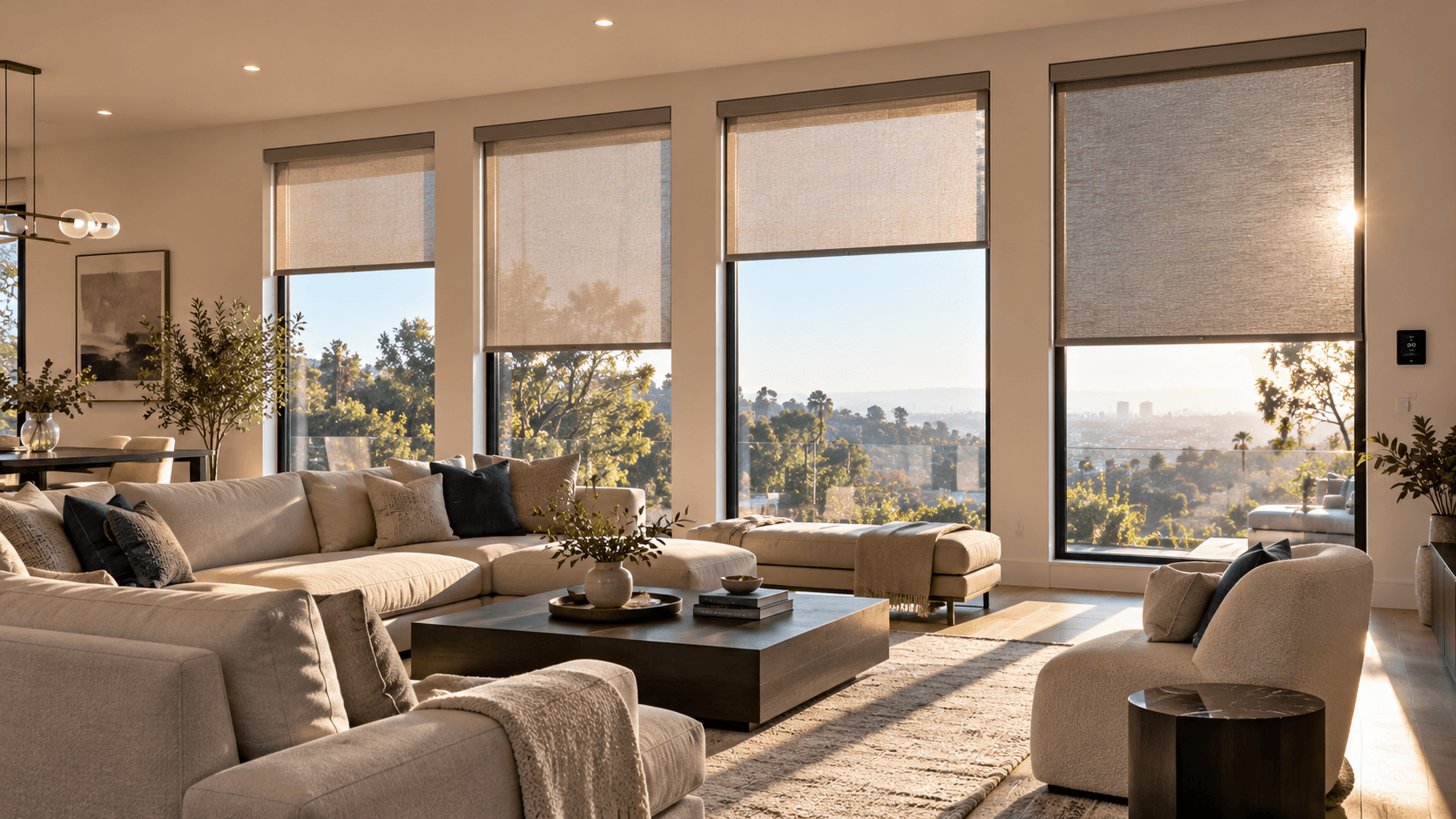
Control Heat and Glare with Motorized Shades
Motorized shades do more than add convenience — they help manage sunlight, reduce glare, protect interiors, and improve energy efficiency throughout the day.
Planning & Integration
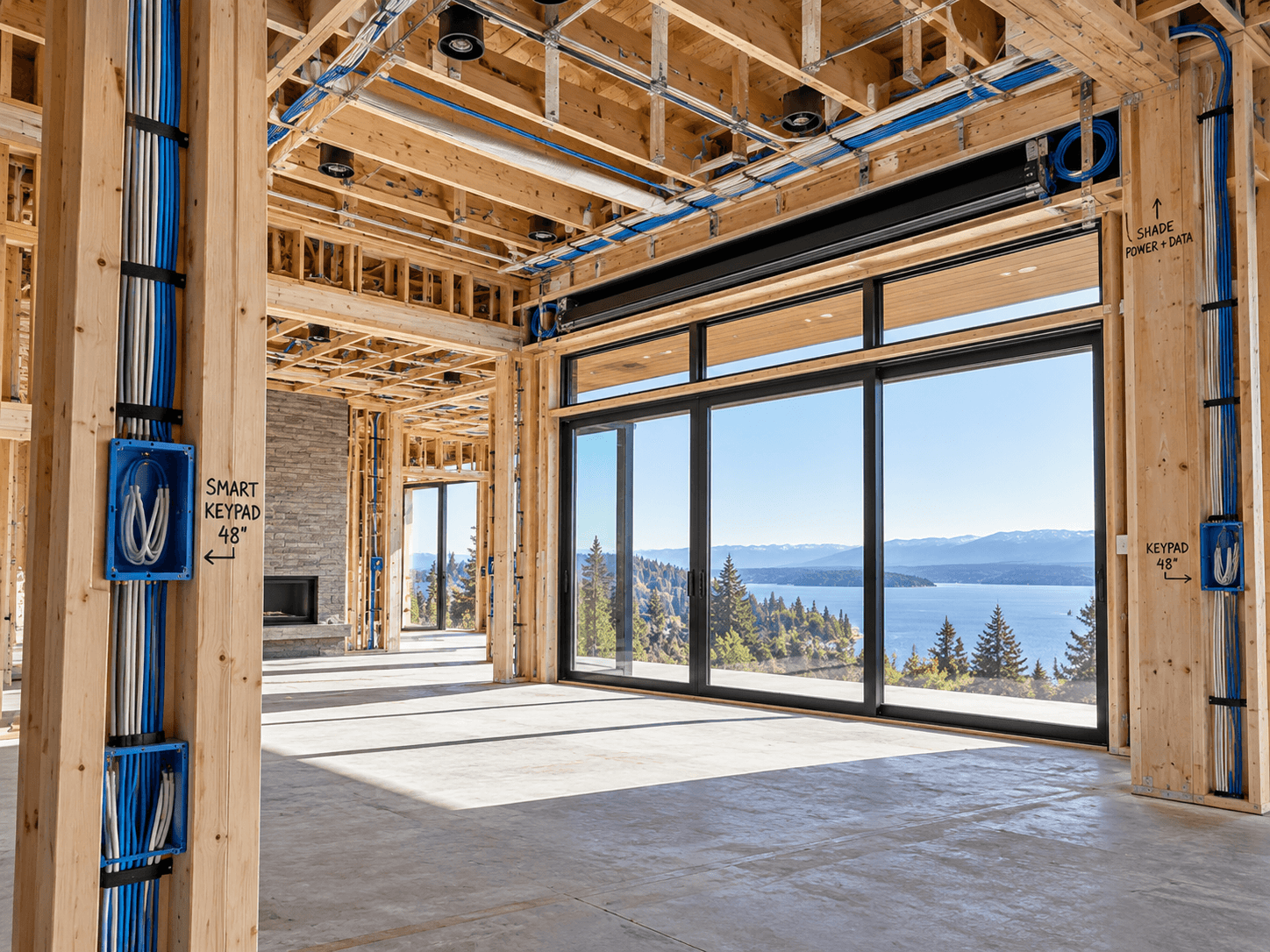
Smart Home Planning During Construction or Remodeling
Construction and remodeling create opportunities to plan smart-home infrastructure before the finished surfaces conceal it. Learn what to consider early.
Home Automation
Choosing the Right Smart Home Controls
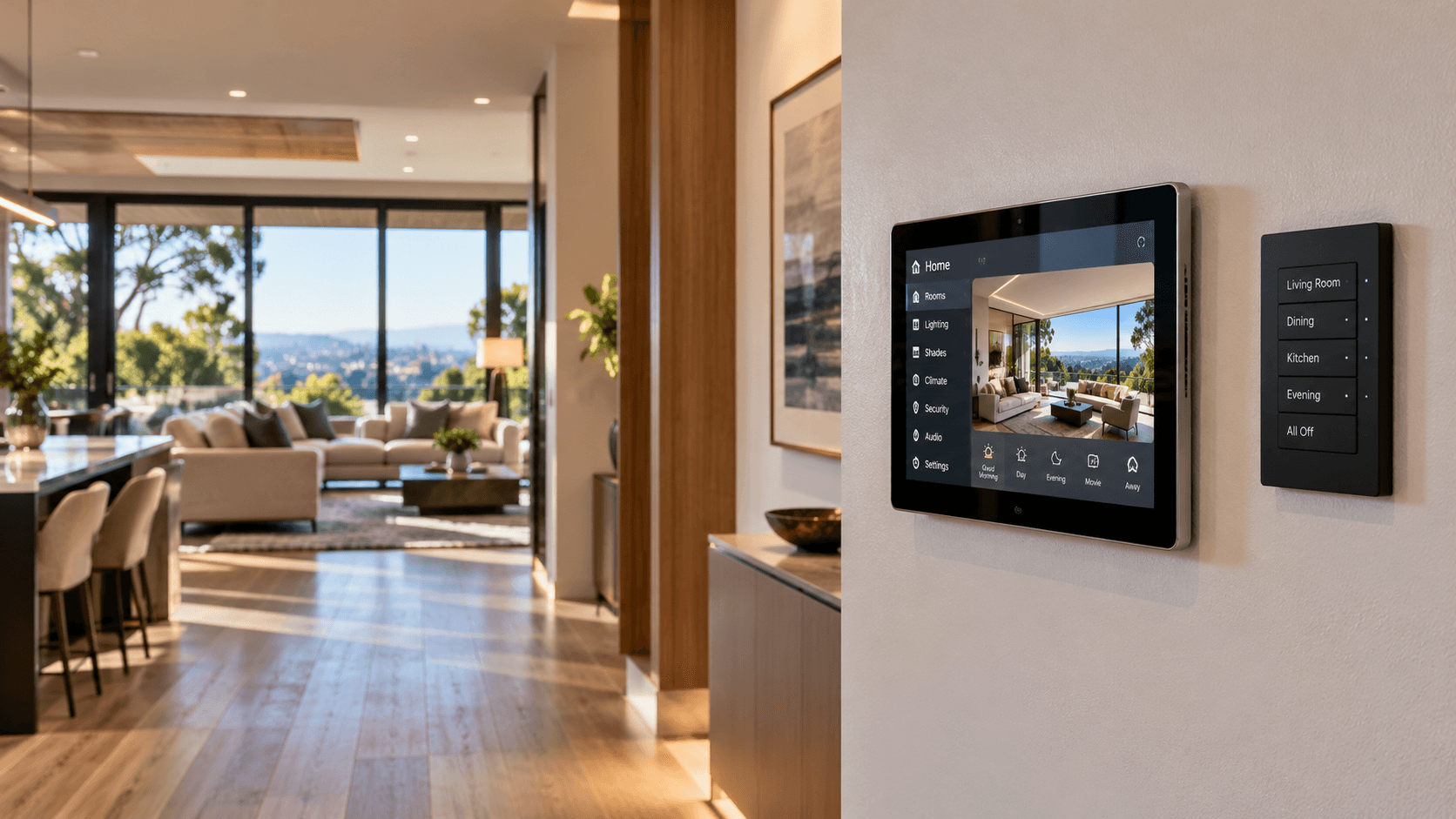
Keypads, touchscreens, apps, voice commands, and automation each serve different purposes. Learn how to choose controls that make everyday life simpler.